Why Should Seating and Positioning Evolve with the User?

A solution that perfectly meets today's needs may require adjustments tomorrow. This is why it is important to prioritize an approach that is adaptable, adjustable, and tailored to each user's reality.
The Body Changes
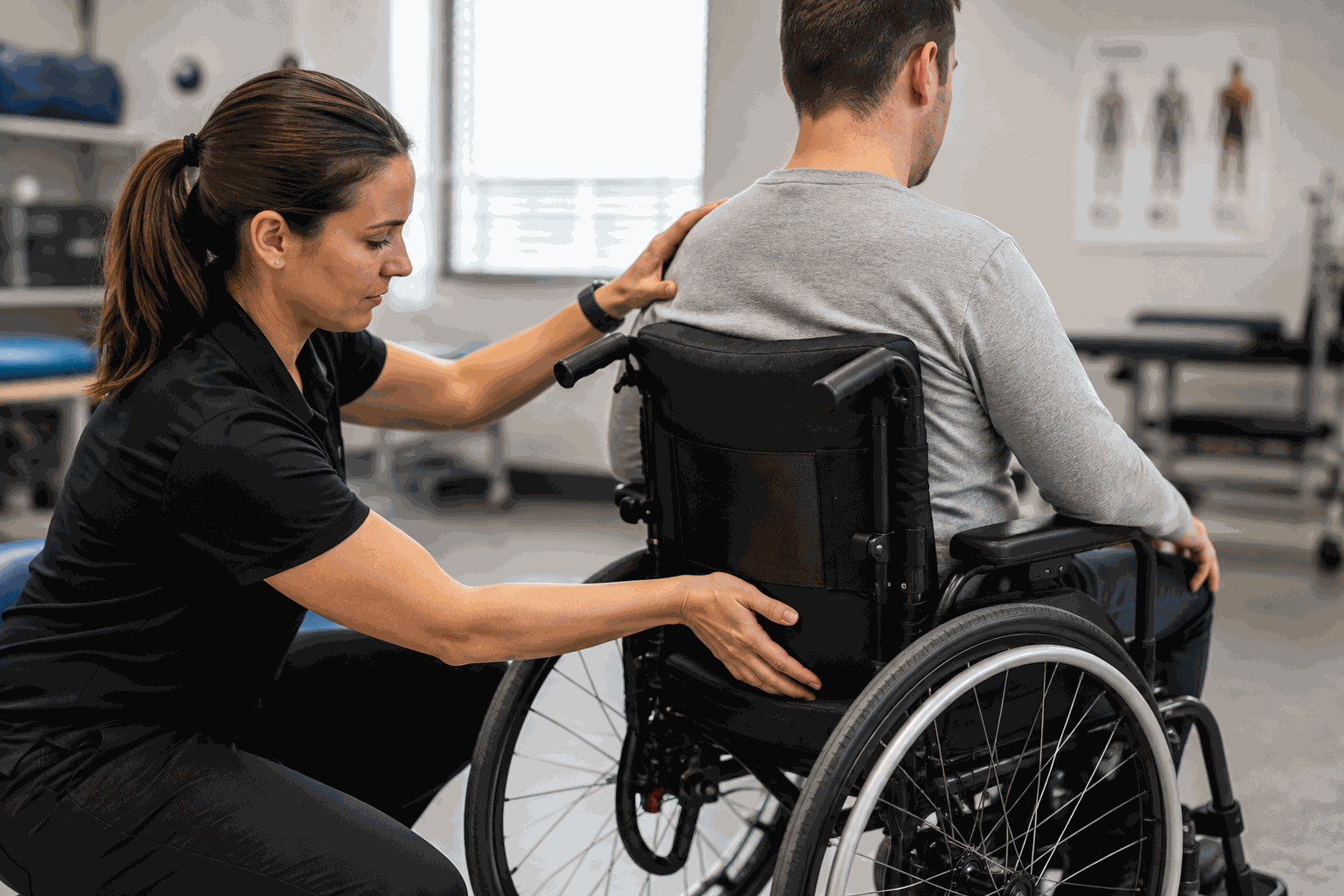
Several changes can have a direct impact on positioning:
Weight loss or weight gain
Changes in muscle tone
Progression of a postural deformity
Changes in functional abilities
Growth in children
These changes can affect the positioning of the pelvis, trunk, head, or lower limbs.
The positioning solution must therefore be able to adapt to these changes rather than limiting the user to a fixed configuration.
Functional Goals Can Change
Positioning is not solely about maintaining good posture. It should also support the user's functional goals.
Depending on the situation, priorities may vary:
Improve stability
Promote independence
Facilitate wheelchair propulsion
Optimize comfort
Promote better pressure distribution
Reduce pelvic sliding
Facilitate transfers
Changes in the user's habits, abilities, or goals may therefore require a new positioning approach.
Why Are Adjustments So Important?
An adjustable solution allows healthcare professionals to gradually adapt positioning to the user's needs.
Depending on the product, different parameters can be modified:
Height
Width
Depth
Angle
Tension
Position of components
These adjustment options make it possible to achieve more precise configurations and follow the user's evolution without necessarily having to replace the entire system.
This is particularly important when needs change gradually over time.
A Modular Solution Can Adapt to This Evolution
The modular nature of a positioning solution makes it possible to add, modify, or combine different components as needs change.
For example, a back support can be combined with different positioning components to respond to the user's evolving condition.
At Positech Innovation, several of our products have been designed with this approach in mind:
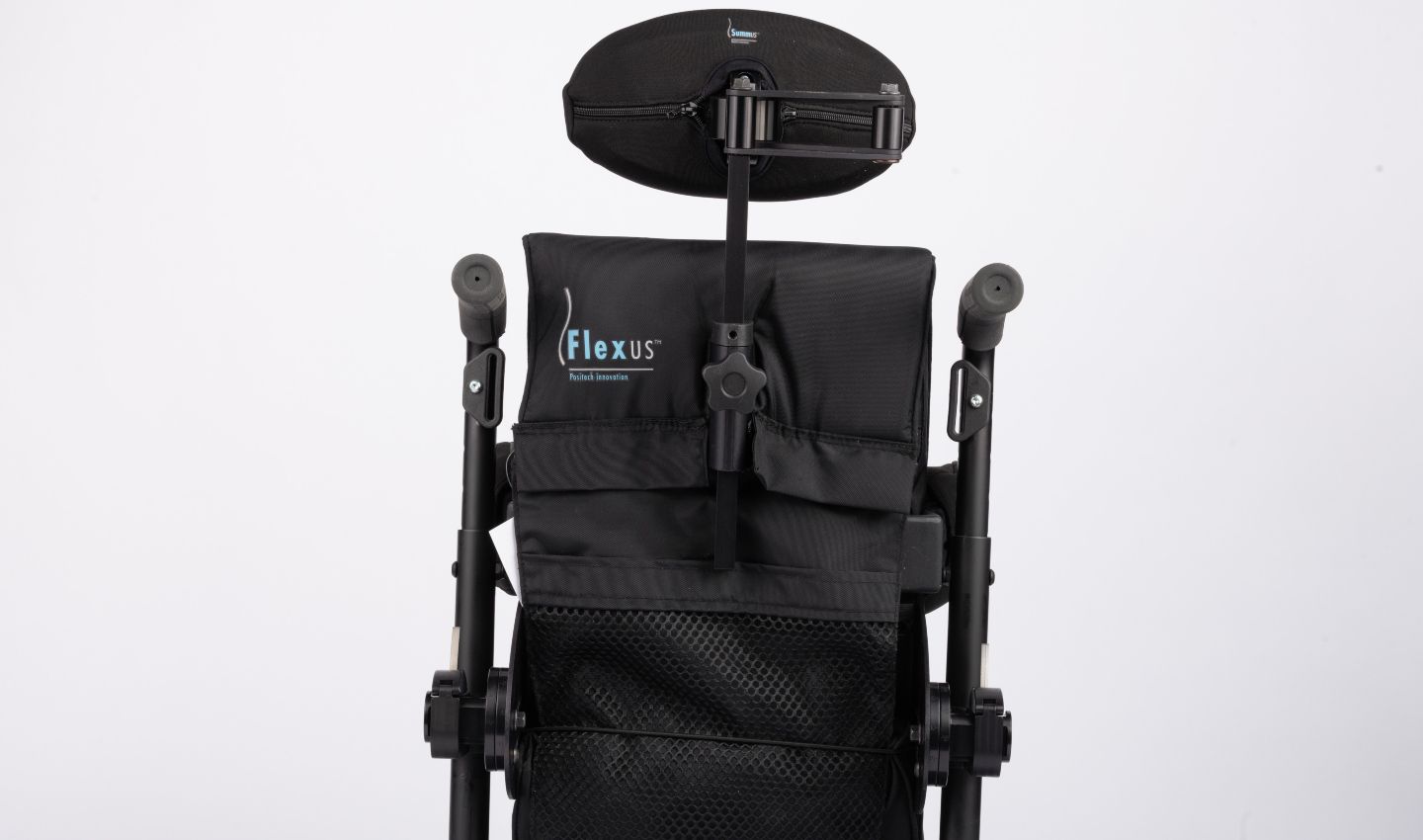
FLEXUS : A Structure That Evolves with the User
FLEXUS allows adjustments in height, width, and angle. Its rigid aluminum structure can therefore be configured according to the user's needs.
This adjustability allows healthcare professionals to modify the configuration as the user's needs evolve over time.
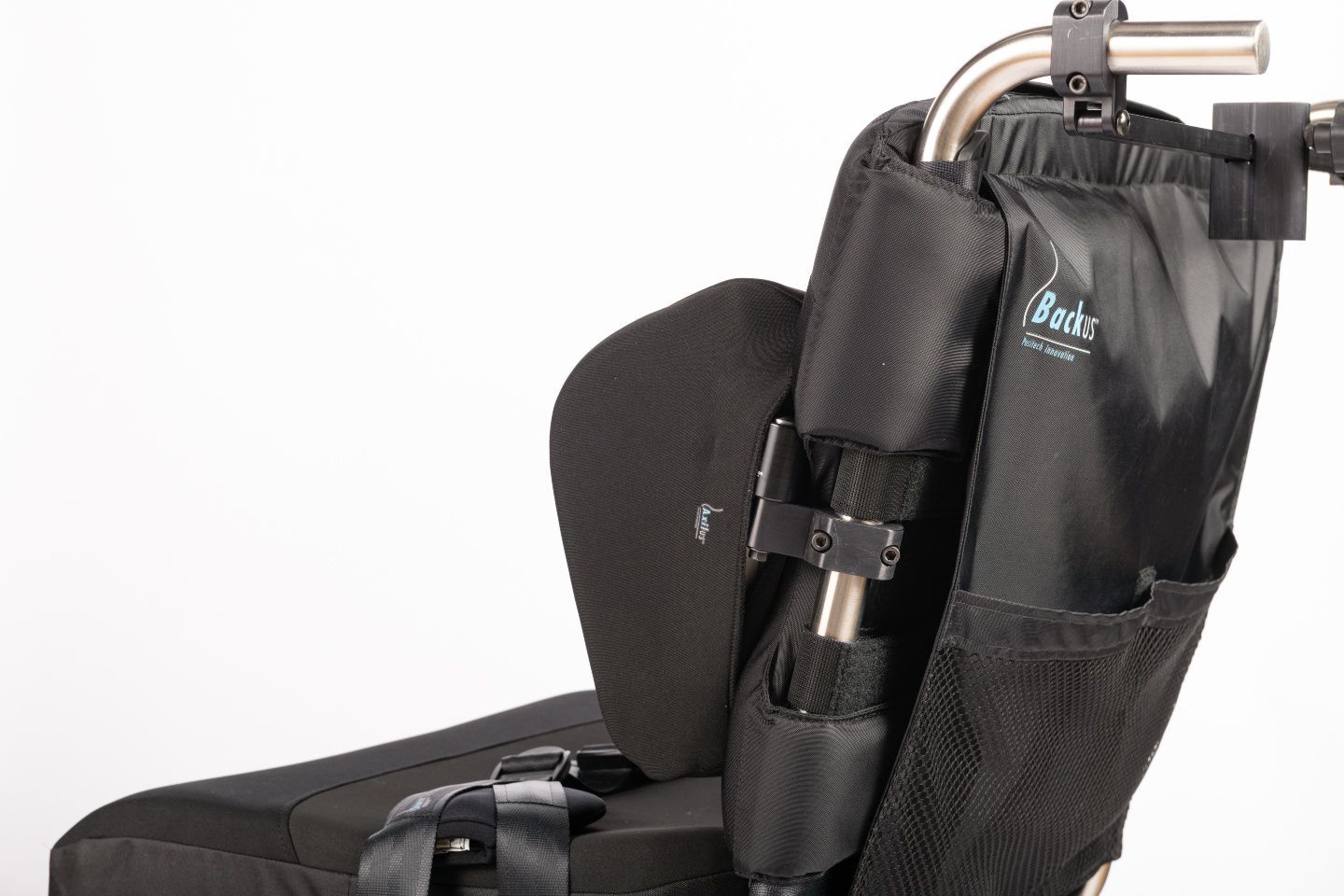
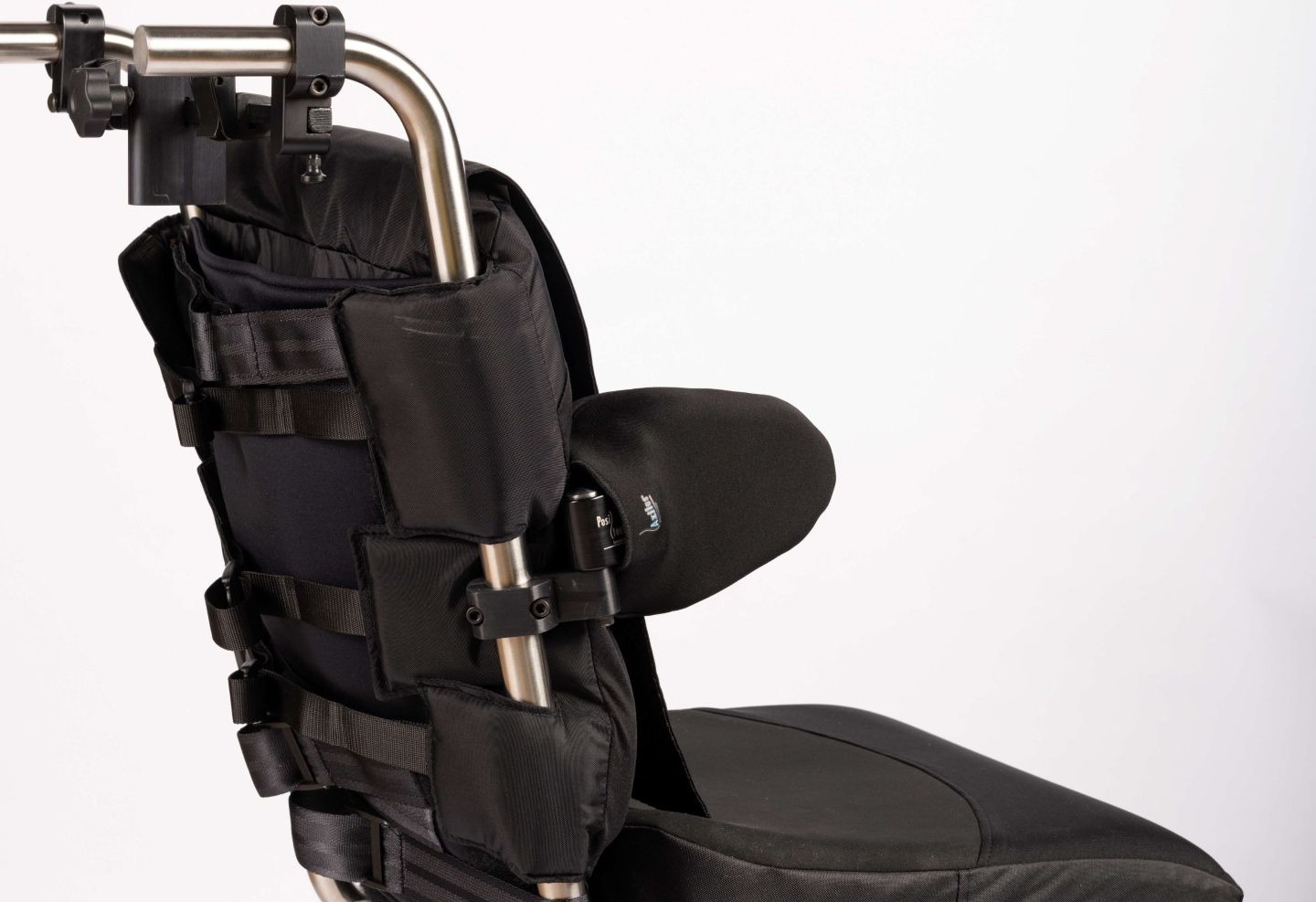
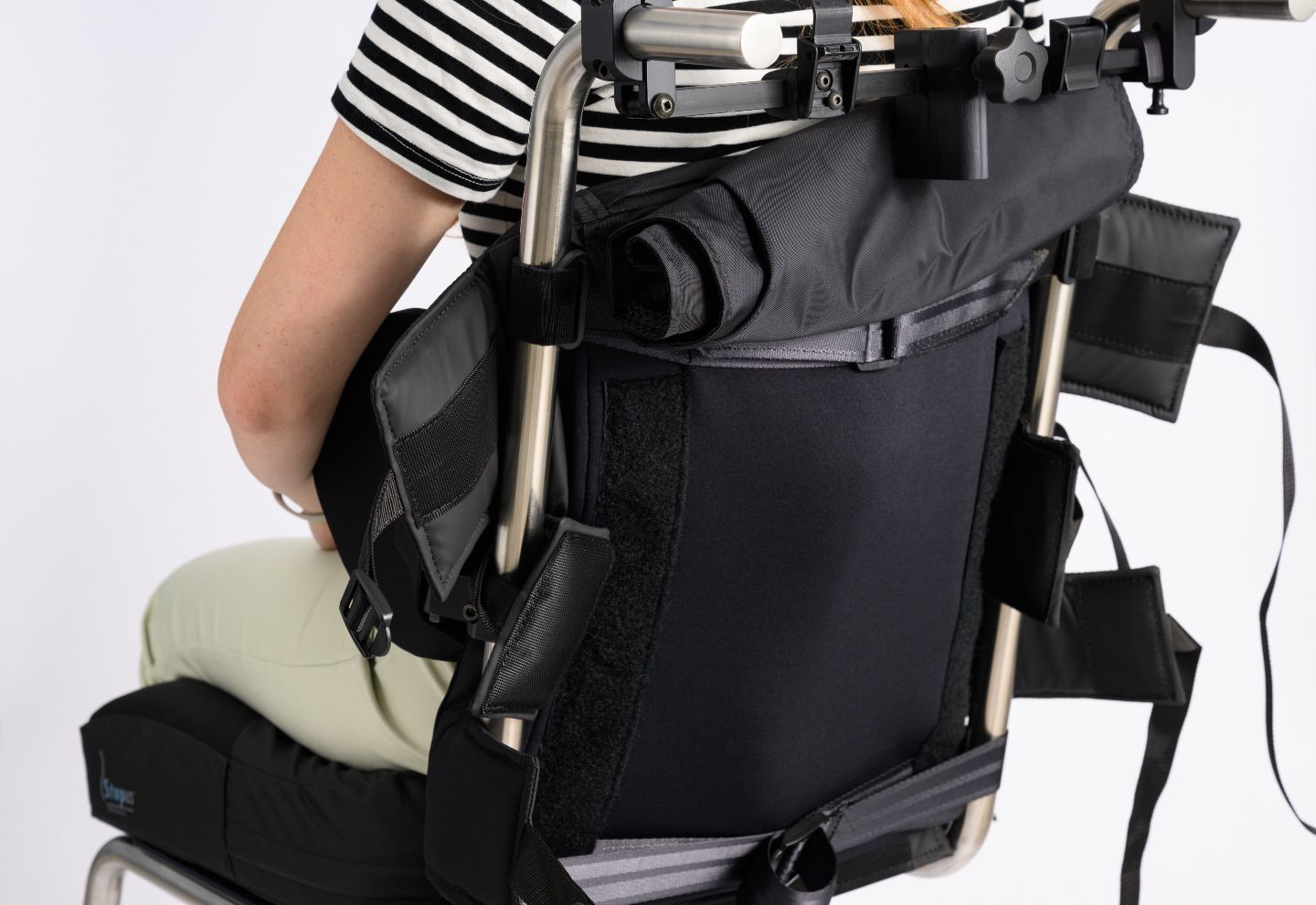
BACKUS, CURVUSetCURVUS+ : Adapting Support to the Shape of the Back
Back supports with adjustable tension make it possible to adapt the level of support according to the user's back profile.
BACKUS is particularly suited to flexible backs, while CURVUS and CURVUS+ are designed to better accommodate moderate to severe deformities.
Thanks to their adjustable straps and flexible canvas, the level of support can be customized according to the user's needs.
.jpg?access_token=f66dc9b2-dbc7-4fc2-a792-429d0967af14 "CURVUS+")
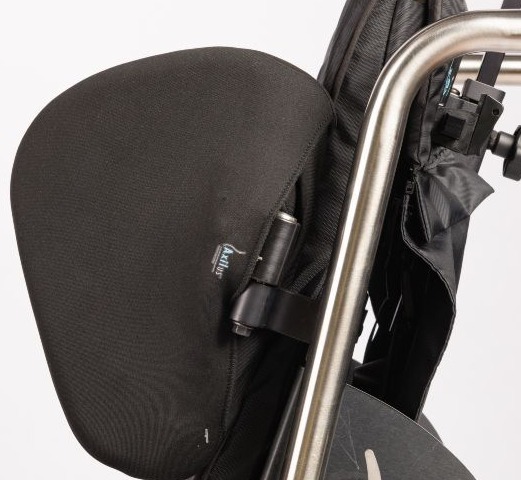
AXILUS : Independent Adjustments
The needs of the right and left sides of the trunk are not always the same.
The AXILUS system allows the thoracic supports to be adjusted in height and width, with the ability to configure each side independently.
This flexibility makes it possible to better address each user's individual postural characteristics.
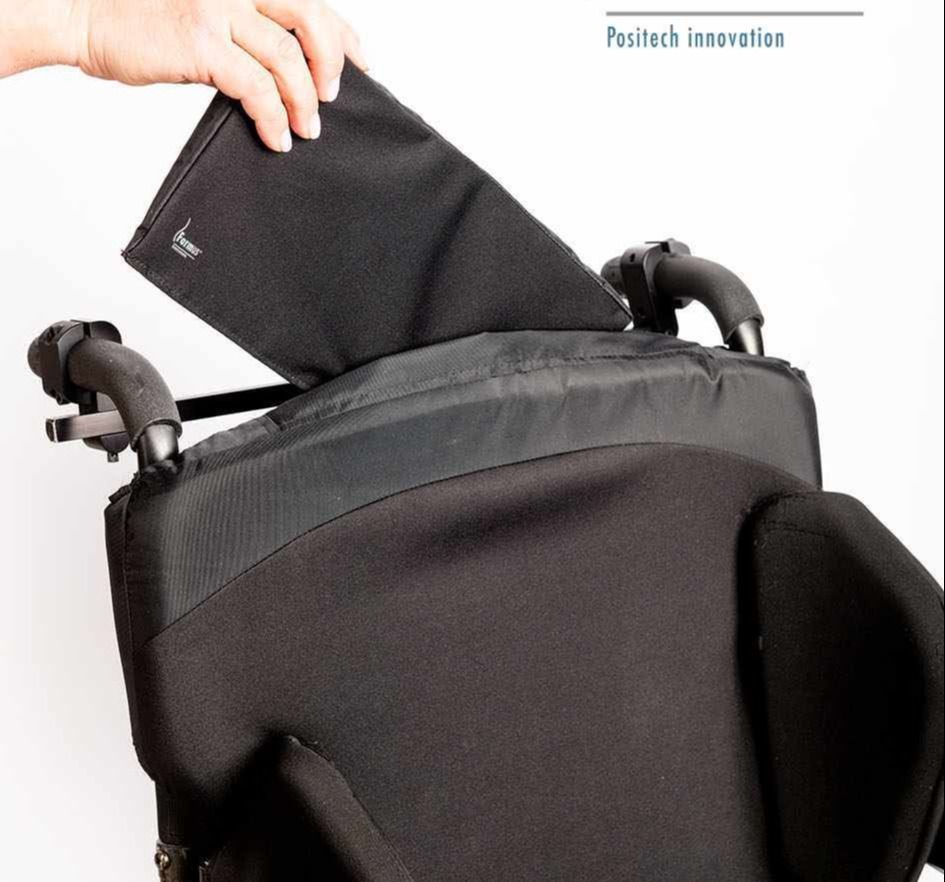
FORMUS : Adding Support When Needs Change
Positioning can also evolve through the addition of complementary components.
FORMUS, for example, can be used to add lumbar support or create additional relief along the back.
A targeted modification can therefore address a new need without necessarily requiring changes to the entire configuration.
SUMMUS : Multiple Configurations for Different Needs
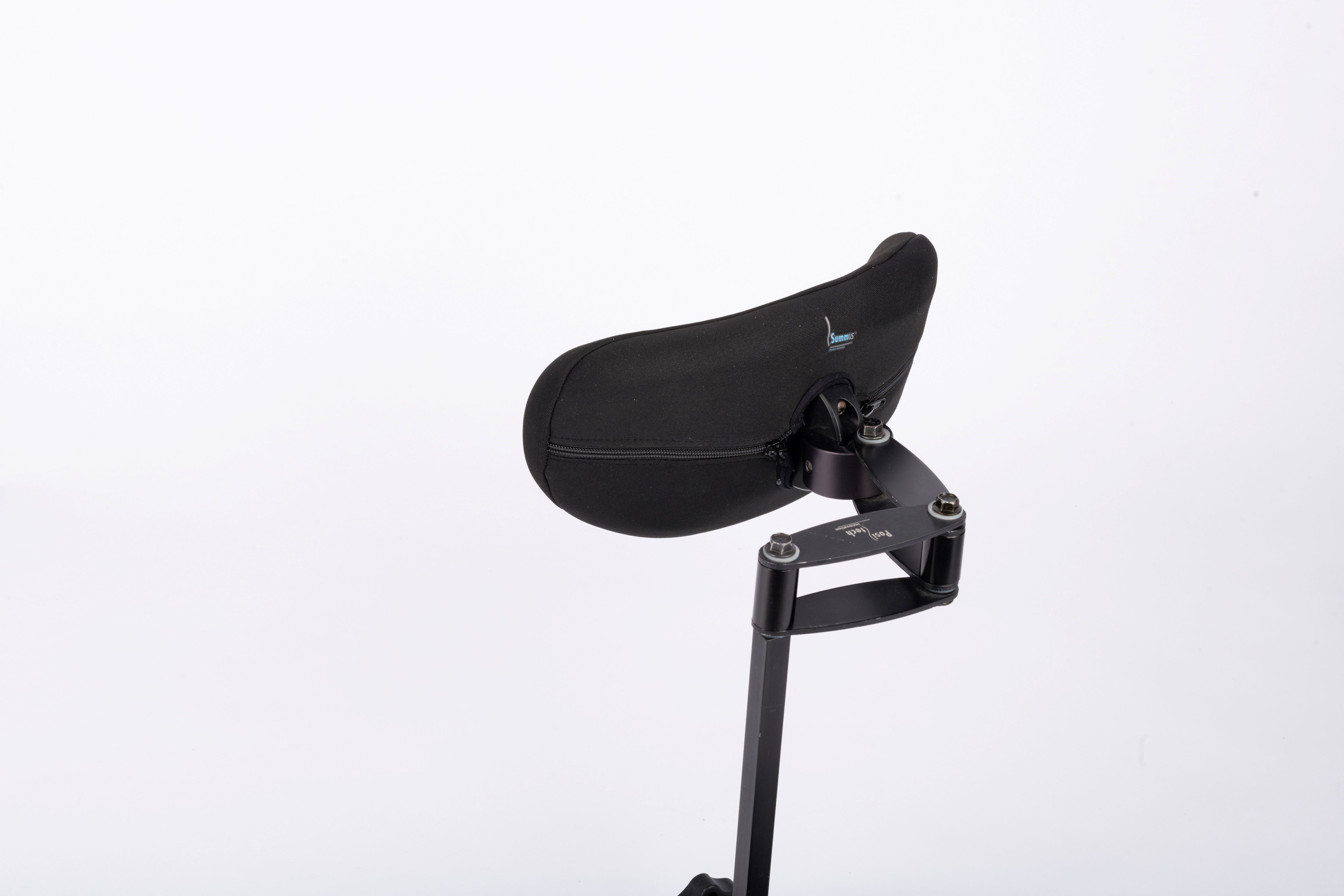
Head positioning can also evolve over time.
The SUMMUS system is available in different configurations to address the user's specific needs. Its articulated system also allows for multiple adjustments.
A Solution Adapted for Today Can Evolve for Tomorrow
Positioning is a process that accompanies the user over time. It is not simply about choosing a product, but about finding a configuration that can respond to needs that may change.
For healthcare professionals, having adjustable and modular solutions makes it possible to evolve the positioning system rather than starting over with every change.
At Positech Innovation, we design our solutions with this reality at the heart of our approach: providing products that can be adjusted, combined, and adapted to support the user's evolution.
Because a postural solution should not only meet today's needs. It should also be able to support tomorrow's.