
How to Recognize a Worn Wheelchair Seat Cushion: Signs It's Time for a Replacement

A wheelchair seat cushion plays a vital role in comfort, stability, and pressure redistribution. Over time, even a high-quality cushion can lose its effectiveness. Normal wear can compromise positioning, reduce comfort, and increase the risk of complications.
How can you tell if your positioning cushion should be evaluated or replaced? Here are the main signs to watch for.
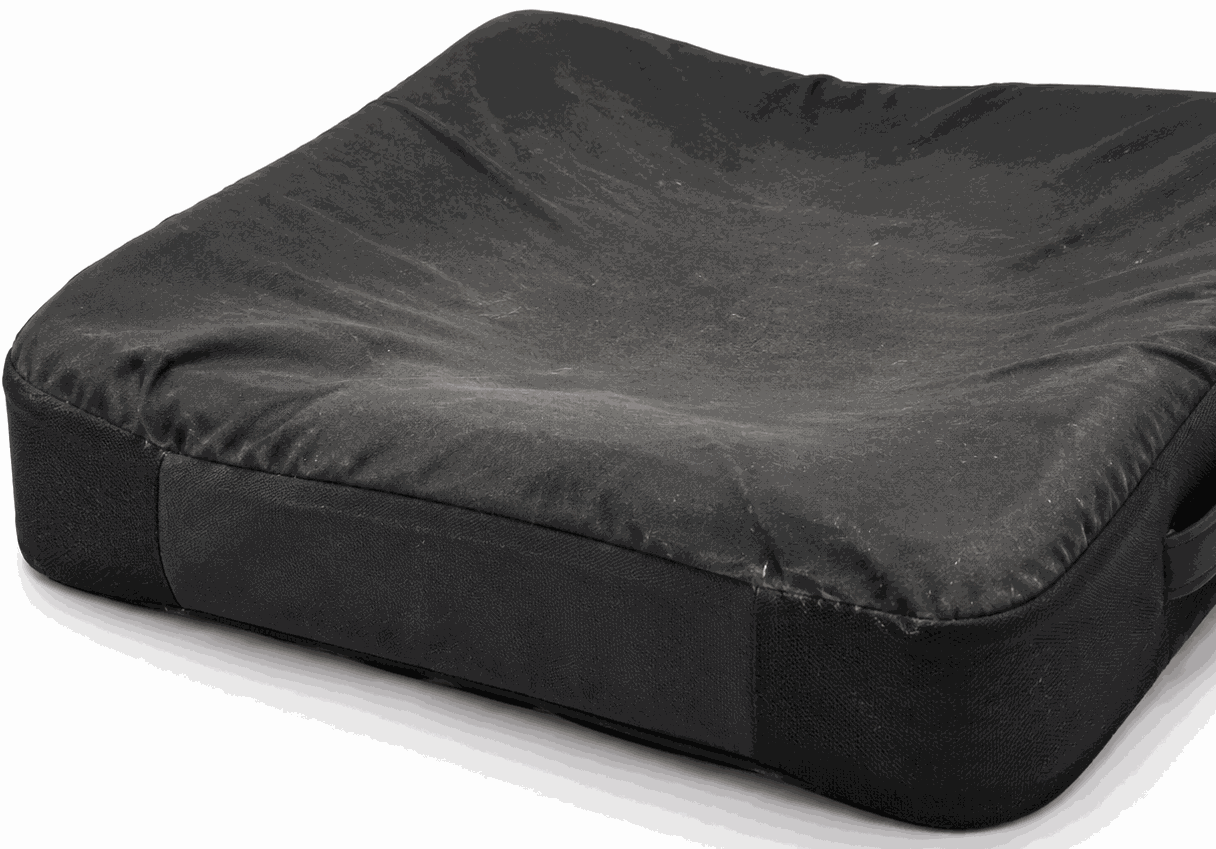
The Cushion No Longer Returns to Its Original Shape
After years of use, the foam may lose its resilience.
If the cushion remains compressed after use or struggles to regain its original shape, it no longer provides the support needed to ensure proper positioning.
The User Experiences Increased Discomfort
Gradually increasing discomfort may indicate that the cushion is no longer redistributing pressure effectively.
Pay attention if the user reports:
A feeling of "bottoming out"
Increased pain or discomfort
Discomfort after a short period of sitting in the wheelchairl
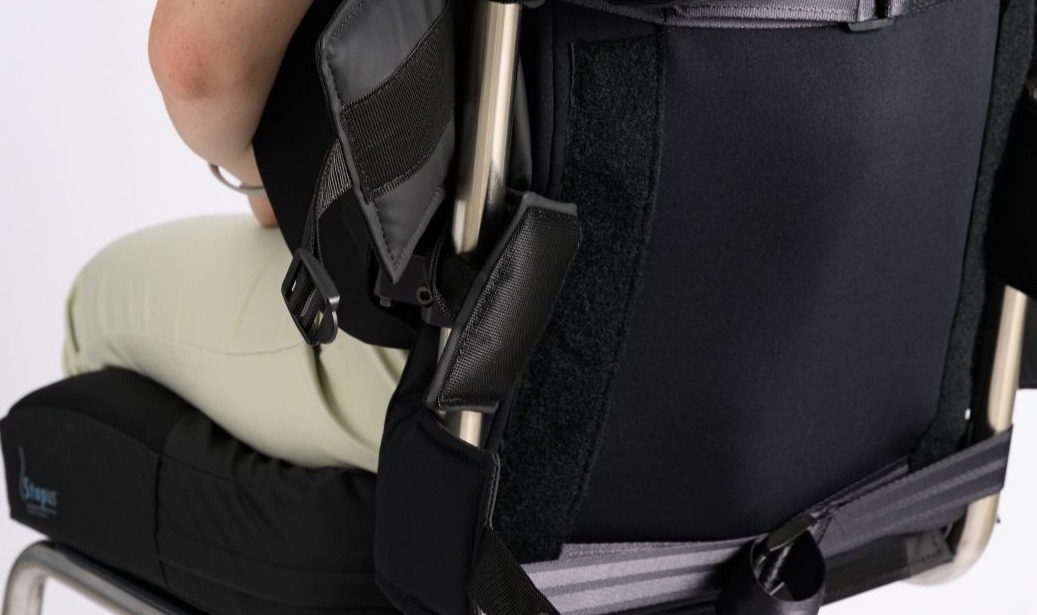
Redness or Pressure Points Appear
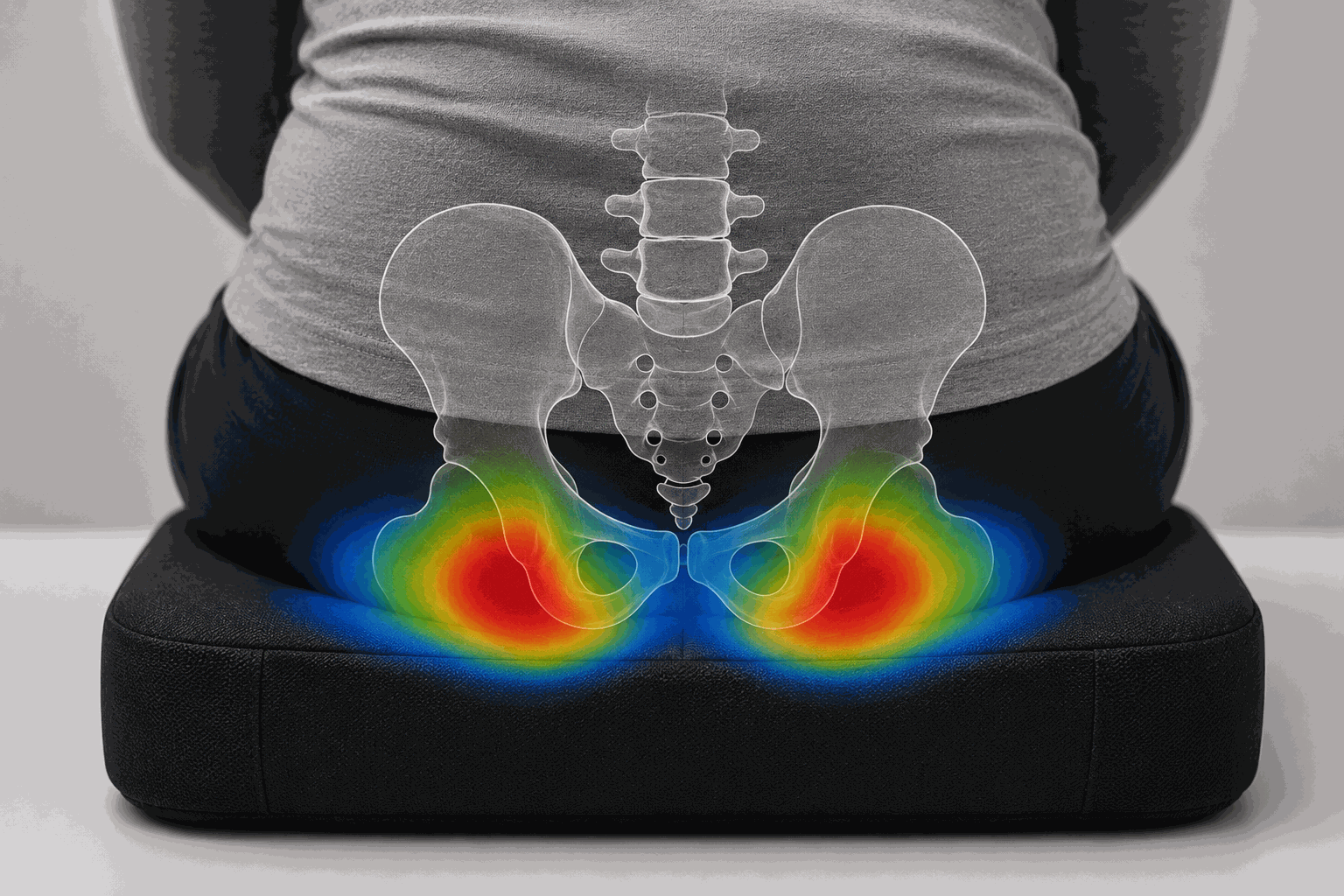
Persistent redness lasting several minutes may indicate that pressure-sensitive areas are no longer adequately protected.
A prompt evaluation is recommended to help prevent the development of pressure injuries.
The Cover Is Damaged
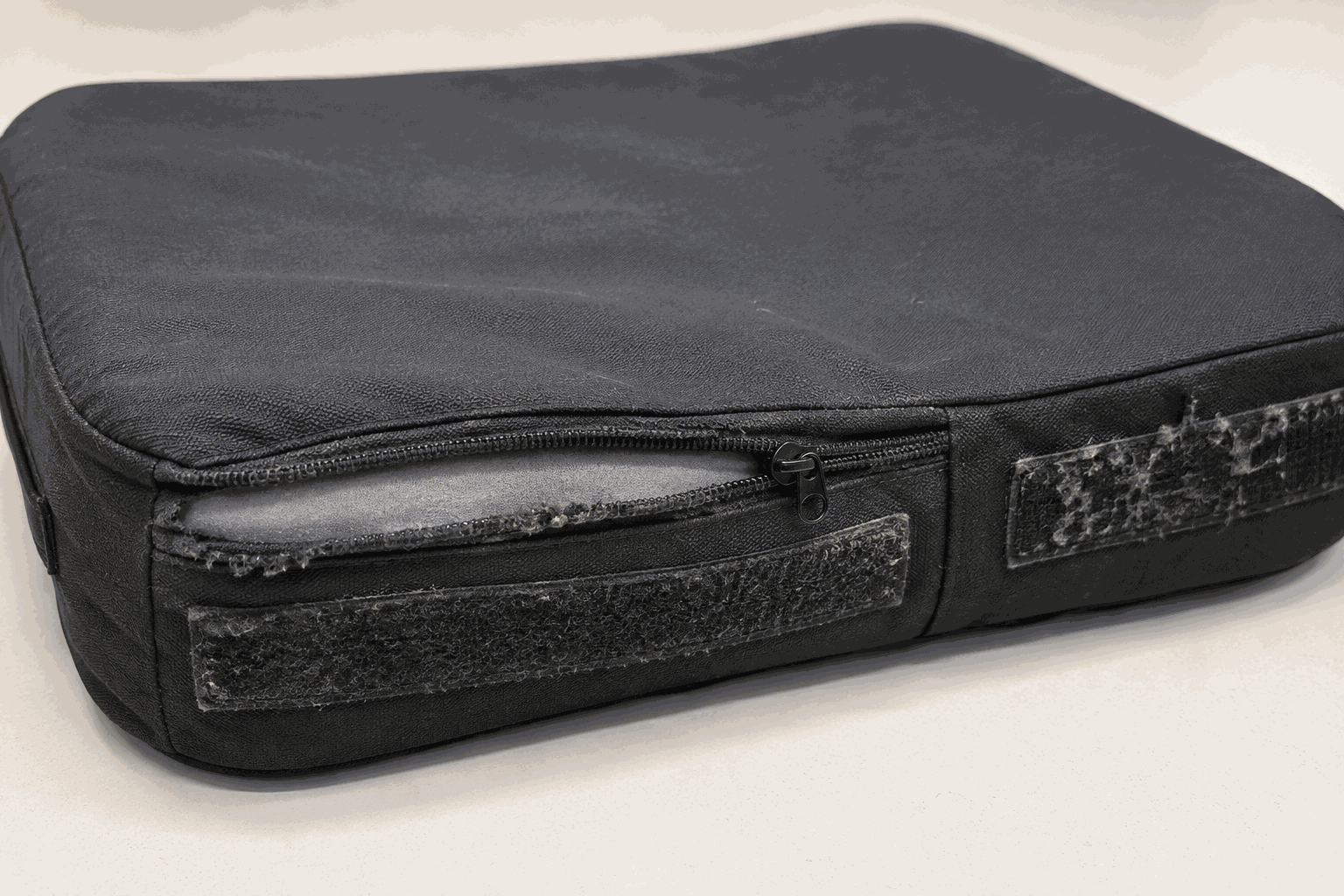
Even if the foam remains in good condition, a worn cover can reduce the cushion's overall performance.
Check for:
Tears or rips
A broken zipper
Loss of waterproof protection
Worn Velcro fasteners
A cover in good condition helps protect the internal materials and makes cleaning and maintenance easier.
The User's Needs Have Changed
A cushion may still be in excellent condition but no longer meet the user's current needs.
A reassessment is recommended if you notice:
Weight loss or gain
Reduced muscle tone
Changes in posture
The right cushion is the one that meets the user's current needs.
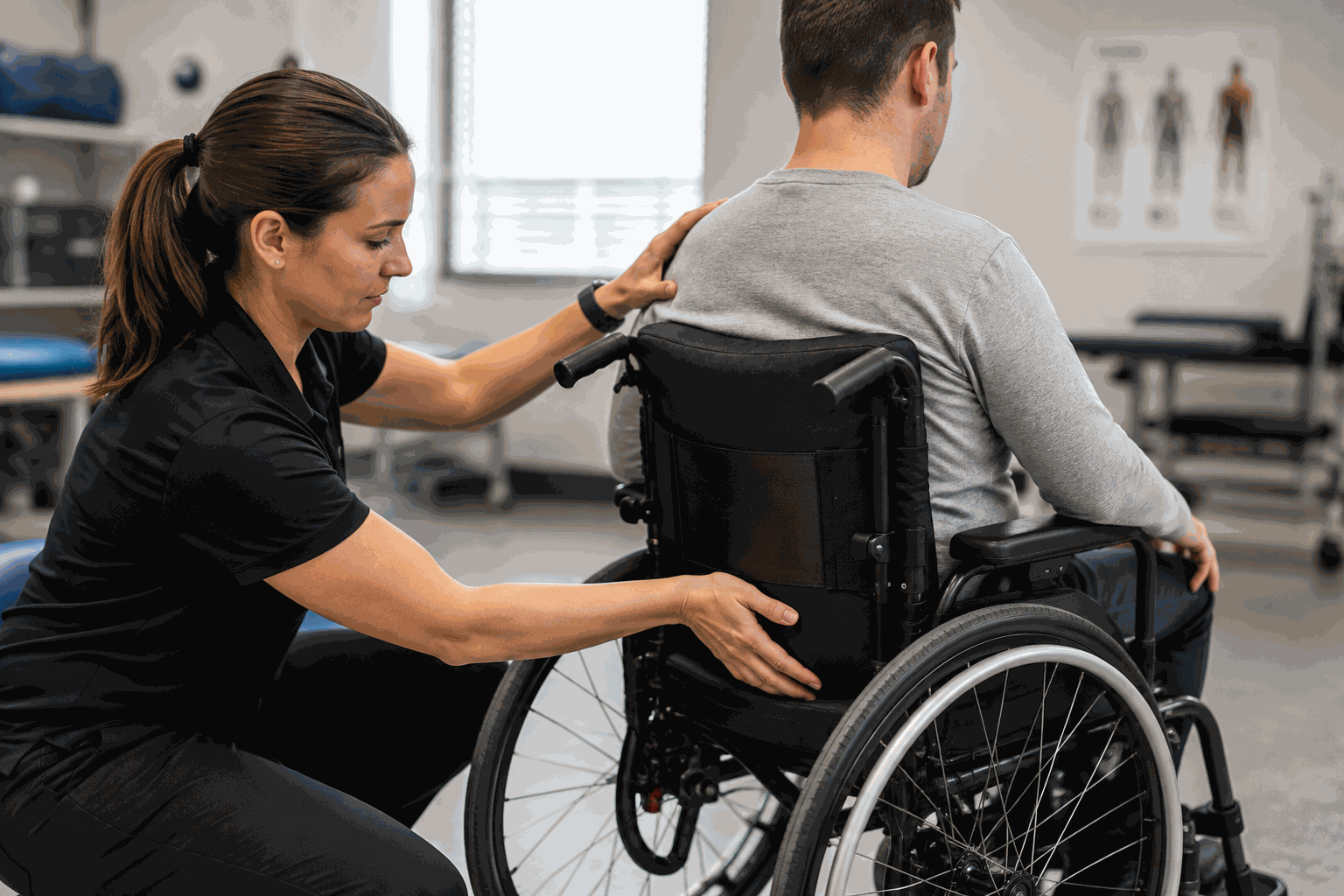
When Should a Cushion Be Replaced?
There is no universal lifespan for a wheelchair seat cushion.
Its longevity depends on several factors, including:
Frequency of use
User's weight
De la Quality of the materials
Maintenance
Changes in the user's physical condition
Regular follow-up with a healthcare professional can help determine whether the cushion still meets the user's needs.
At Positech Innovation, we design durable, adaptable positioning cushions made with high-quality materials to provide optimal support at every stage of the user's life.
Our seating cushion lineup includes :
Wondering if a cushion still meets your user's needs? Our team can help you select a solution that is both appropriate and adaptable.
Contact Positech Innovation to learn more about our positioning cushions.